




Wastewater
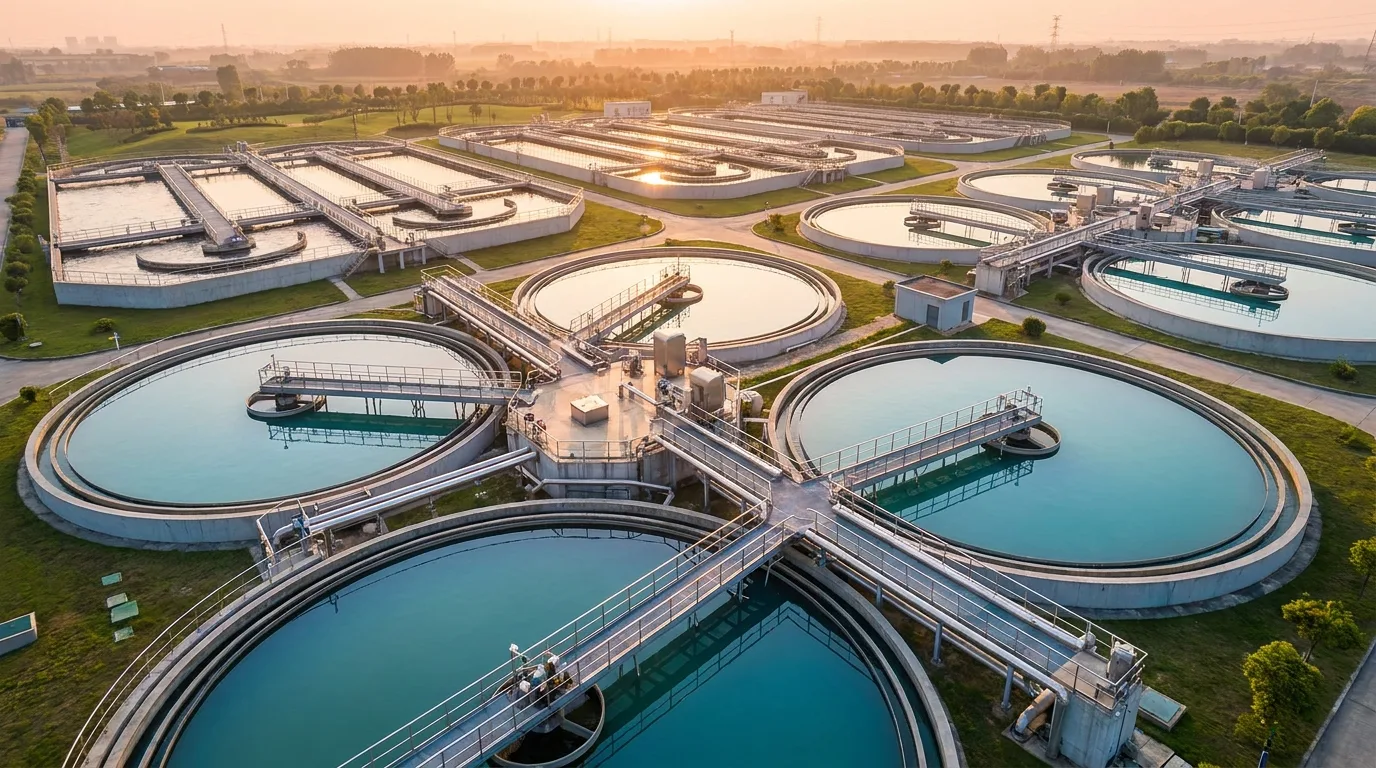
A 110,000-population works cut treatment energy without new capital plant
Independent monitoring recorded 34% less energy to treat the load, alongside improved nutrient removal, with no new infrastructure required.
In both buildings and water treatment, energy is the largest cost you can control, and a large share of it is lost before it does any useful work.
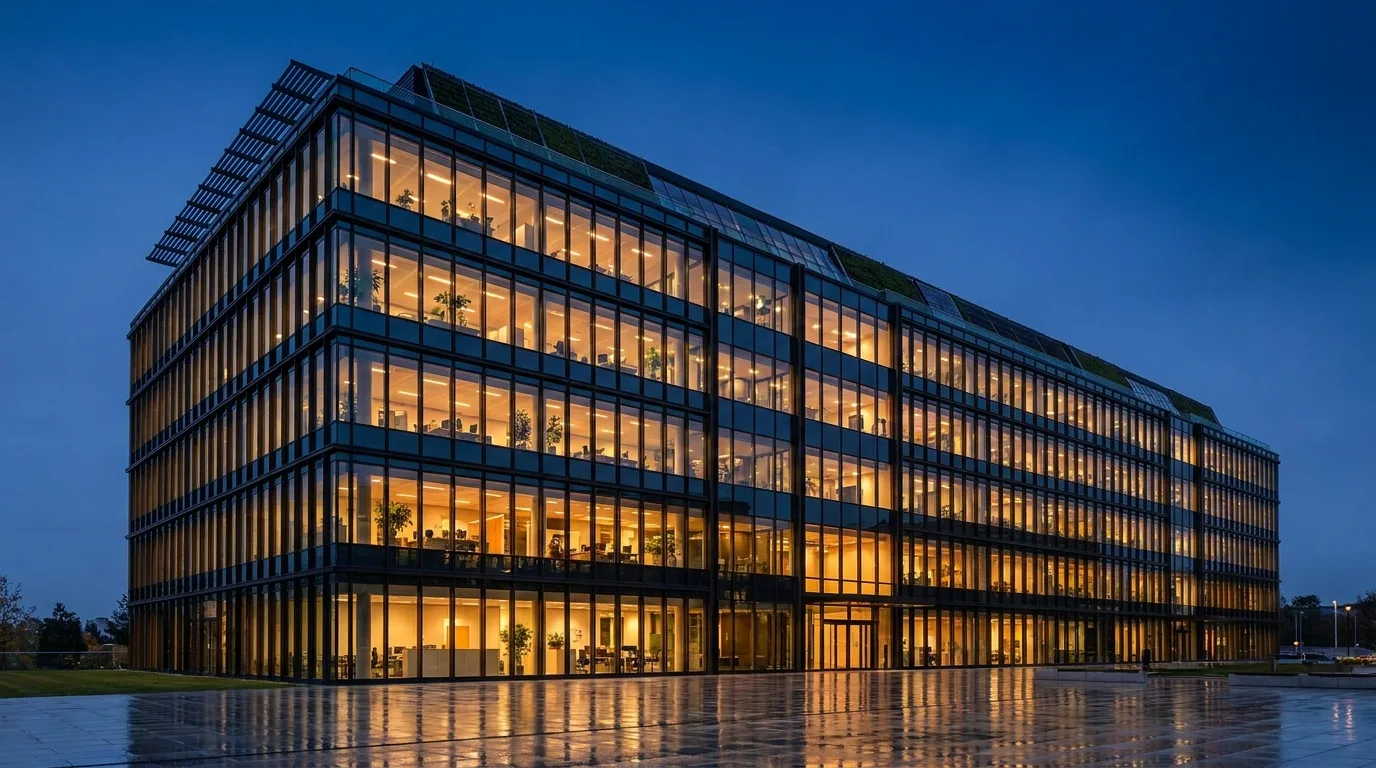
Commercial buildings waste roughly 25 to 30% of the energy they use, with heating, ventilation and cooling the largest load. At a wastewater works, aeration alone takes 45 to 75% of the energy the plant uses. The waste is structural, not occasional.
At the same time, net zero commitments and expanding carbon disclosure mean that energy is now a reporting obligation as well as a cost, and the conventional fix, new plant and new infrastructure, is capital you may not have.
The opportunity is to take the waste out of the systems you already run, and to turn some of the energy moving through them back into supply.
We optimise the energy your existing buildings and treatment processes use, and recover energy from the water already flowing through them, with no new civil infrastructure.
On the demand side, building and treatment processes are optimised in place, so consumption falls without a refit and the saving is measured against your baseline. On the supply side, the pressure and flow already in your water network can be turned into generation, recovering energy that is otherwise dissipated.
Because the gains come from systems you already operate, they arrive without capital construction, and because they are measured, the same work that cuts your bills produces the evidence your net zero and disclosure reporting need.
Take 34% off the energy to treat the load at a 110,000-population works under independent monitoring, with no new infrastructure required.
Reduce building energy by 15 to 30% through optimisation, with heating, ventilation and cooling the single largest opportunity, measured against your baseline.
Turn the pressure and flow already in your water network into generation, with no new civil infrastructure and no disruption to supply.
Get more from existing anaerobic digestion, typically 10 to 20% more biogas in field trials, adding renewable energy from a process you already run.
Produce the measured, auditable energy and carbon data your net zero targets and SECR or UK SRS disclosures require, not estimates.
Savings and generation come from the systems you already operate, so they land without new plant or civil works.
Independently evidenced, reportable against your baseline.
The questions that decide it are whether the saving is real, whether it needs capital construction, and whether it is reportable.
All three are answered in the work. Savings are measured against your baseline rather than modelled, they come from the systems you already operate so there is no capital build, and the same measurement produces the evidence your net zero and disclosure reporting need. We start with your highest-energy building or process, prove the saving, then scale.
Measured. Reductions are tracked against your baseline, including 34% less treatment energy at a 110,000-population works under independent monitoring.
No. Savings and generation come from optimising and recovering energy from the systems you already operate, so they land without new plant or civil works.
Yes. The pressure and flow already in your water network can be recovered as generation, and existing anaerobic digestion can yield typically 10 to 20% more biogas in field trials.
Yes. The same measurement that proves the saving produces the auditable energy and carbon evidence your net zero targets and SECR or UK SRS disclosures require.
Tell us where your energy cost or carbon sits heaviest. We will quantify the saving against your baseline, in confidence, before you commit.
Tell us the cost, the risk or the obligation you are facing. A senior member of our team will respond, in confidence, with how we would help.