Investors and ministries are trying to build healthcare capacity at scale in places where clean water, reliable power and accreditation, the things finance depends on, cannot be assumed.
The infrastructure gap is enormous. Sub-Saharan Africa alone needs around 6,200 new facilities and roughly 2.5 million additional beds by 2030, against a projected shortfall of 6.1 million healthcare workers. Universal health coverage targets sit on top of a system already short of capacity.
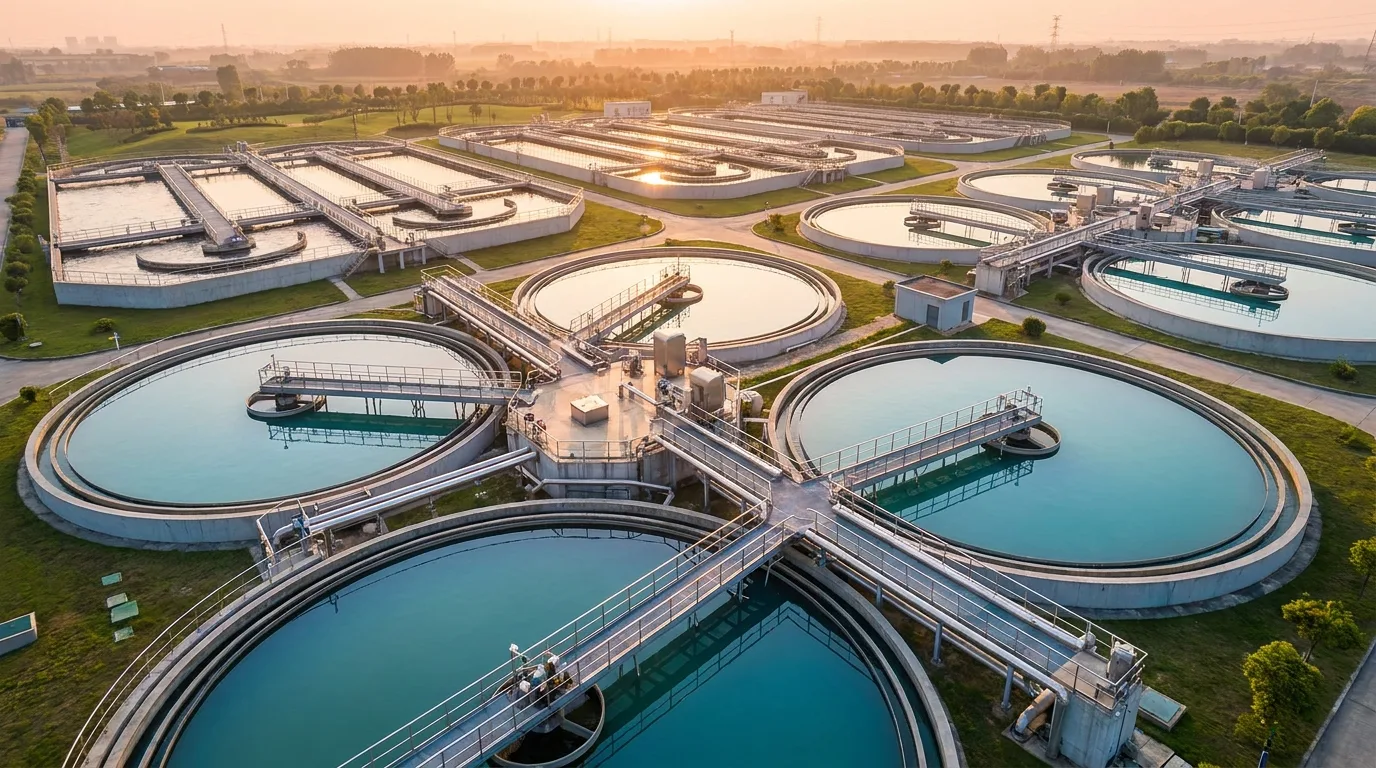
The basics that clinical care and accreditation depend on are often absent. Only about 51% of sub-Saharan primary facilities have basic water and sanitation, and only around a third have reliable electricity. A hospital cannot control infection or hold accreditation without them.
Investment is conditional. International accreditation is scarce across the region and is the quality signal that attracts patients, and development finance is tied to standards such as the IFC Performance Standards on pollution prevention and community health. Miss the standard and the funding does not follow.