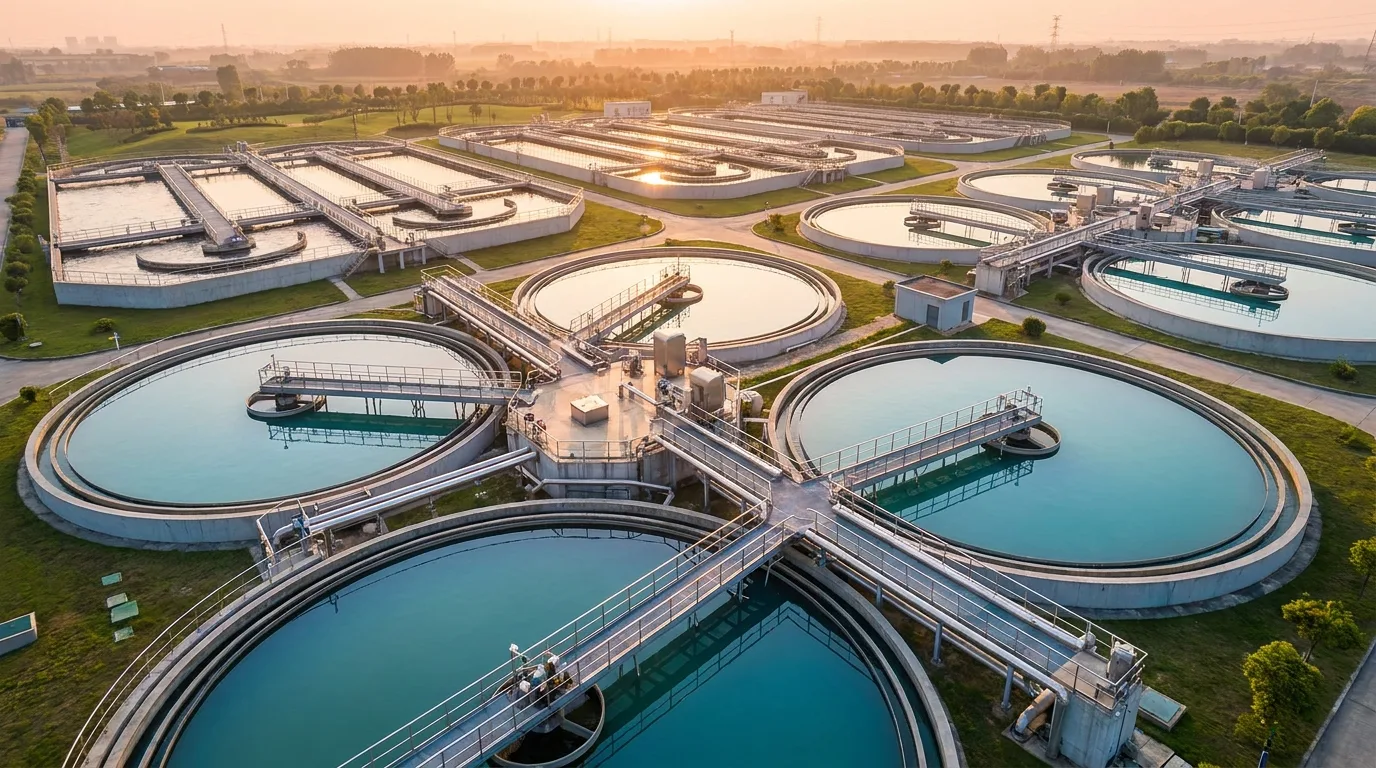
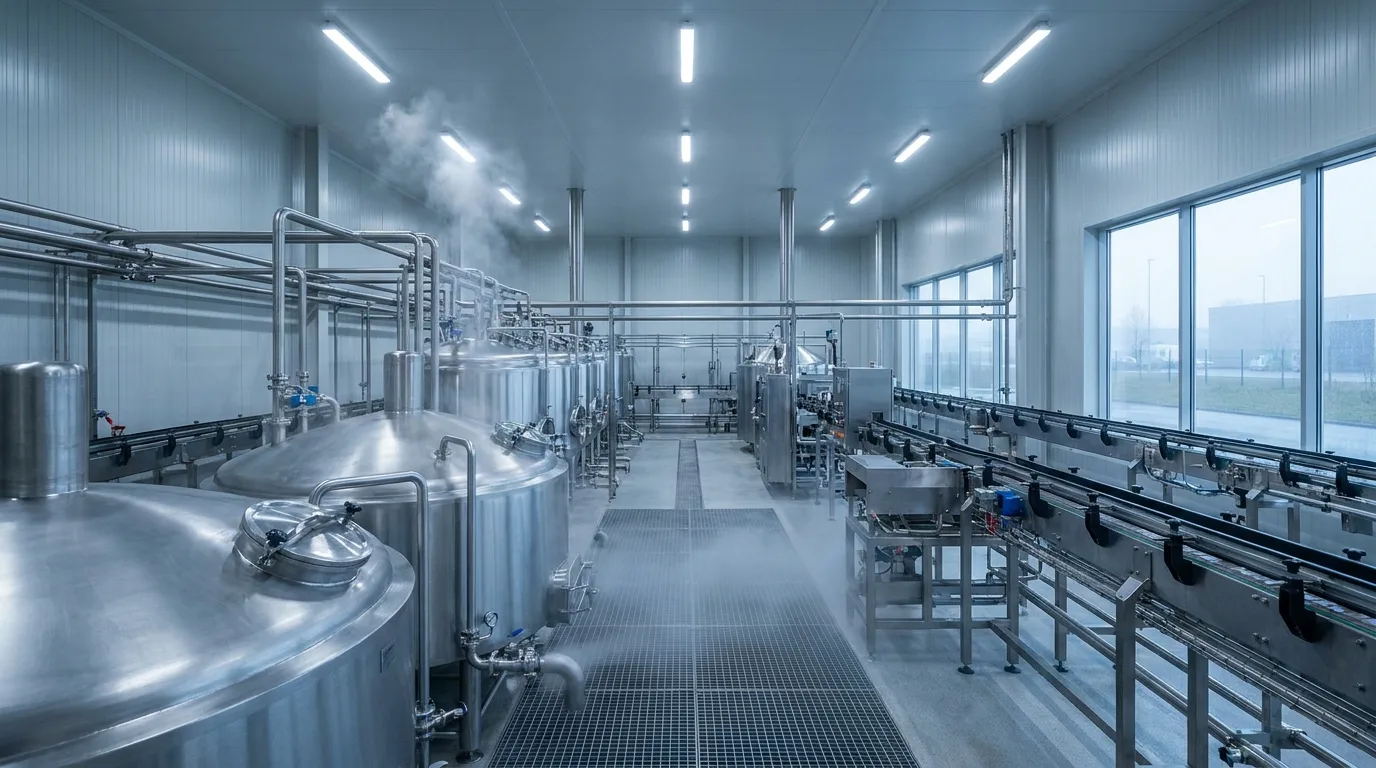
On a food or drink site the water that leaves is charged by its strength, policed by a consent, and treated with energy you pay for, and the default answer to all three is to build more concrete.
The trade-effluent bill is set by the volume and the strength of what you discharge, and strength, the organic and solids load, drives most of it. The charge rises as you grow, yet it is one of the few large overheads that falls the moment the load does, which is exactly the lever most sites leave untouched.
Consent breach is not a fee, it is a criminal offence. Discharging outside consent carries unlimited fines in the higher courts, and food and drink processors are being prosecuted now, with recent fines of GBP 415,000 and GBP 200,000 for repeated breaches. The exposure sits with the site and the responsible manager.
Treatment is energy-hungry, with aeration alone accounting for most of the energy a biological effluent plant uses. And the conventional fix for a strained or out-of-consent works, a new capital civil build, is slow, expensive and signed off in isolation, while no one connects the effluent, the energy and the compliance as one outcome.