





Skip to content
HES.
Contact Us
Solutions
Clean WaterControl pathogens, biofilm and cost where conventional treatment failsAir & Infection ControlReduce airborne pathogens and infection risk, with no ozoneEnergyCut energy and recover it from the systems you already runAgriculture & SoilUse less water and fertiliser while protecting yield and soil
Sectors
Healthcare & HospitalsKeep patients safe and your accreditation secure, with infection, Legionella and AMR risk reducedWater & WastewaterStay in consent, and cut the energy and chemicals it takes to get thereCommercial & FacilitiesMeet your EPC and disclosure obligations while running cost and carbon fallAgriculture & Urban FarmingProtect your yield and soil while using less water and fertiliserLocal AuthoritiesMove your estate towards net zero with compliant assets, funded to saveEmerging MarketsBuild investable, accreditation-ready infrastructure on reliable water, sanitation and powerHotels, Hospitality & LeisureKeep guests safe and pools open, with Legionella risk controlled and pool-hall cost cutData CentresCut the cost and water your cooling burns, and harden Legionella control, without touching uptimeFood & Beverage ProcessingCut your trade-effluent bill and hold consent, without touching food safety or uptime
Tools
Where You'd Gain MostPick your sector and what is driving you, and see where you would gain and where to startTrade Effluent Bill EstimatorEstimate your annual trade-effluent bill and see how much is driven by strength, the part you can reduceWater Safety Risk ScorecardAnswer eight quick questions and see your indicative Legionella and waterborne risk band, and where to startCompliance Readiness CheckerPick the duty you answer to, from Legionella to net zero, and see your readiness band and the gaps to closeAeration Energy Cost CalculatorSize the annual energy, cost and carbon of aeration, the single largest energy load in wastewater treatmentCooling Tower Water & Cost CalculatorEstimate the annual water and chemical cost of a cooling tower, and the share that treatment can reduce
Case StudiesInsightsAbout
Contact Us
Energy

Where wastewater energy actually goes, and how to cut it

5 min read

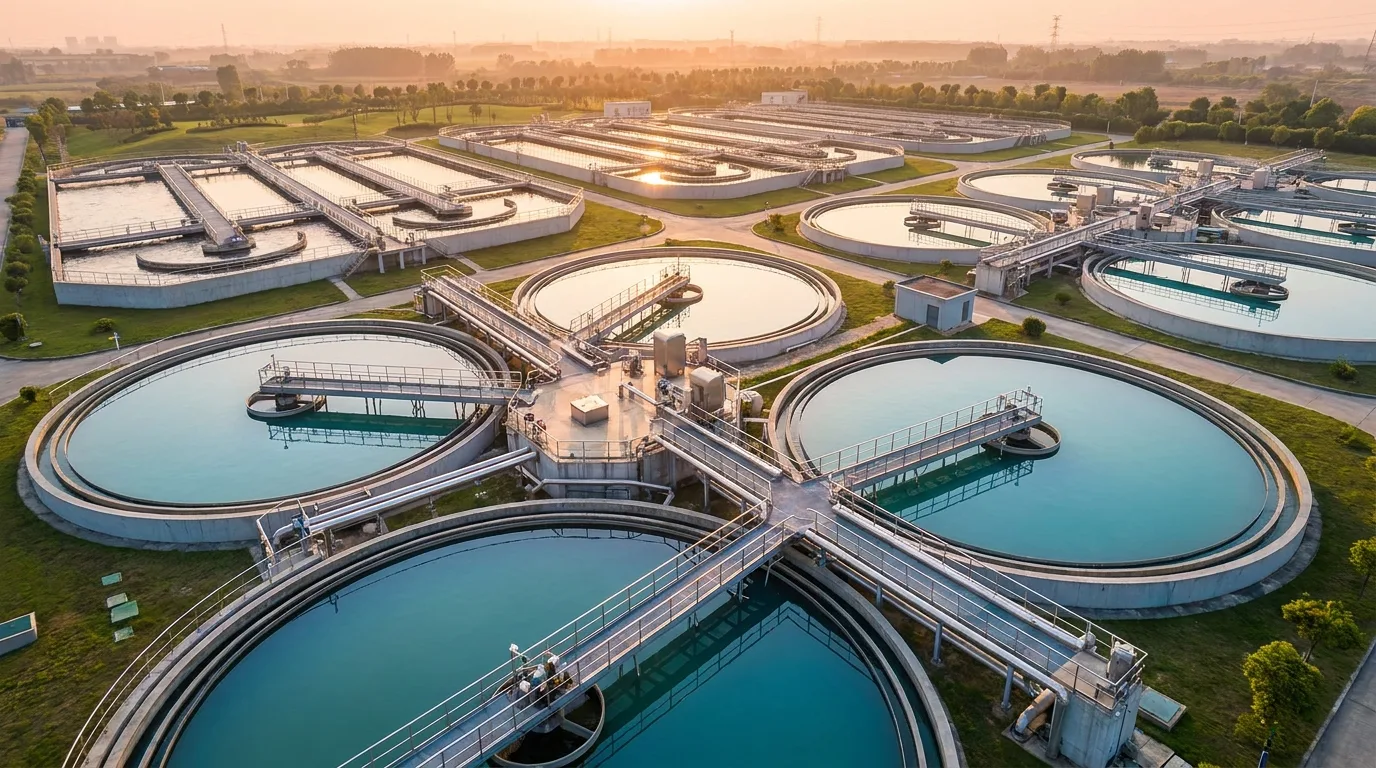
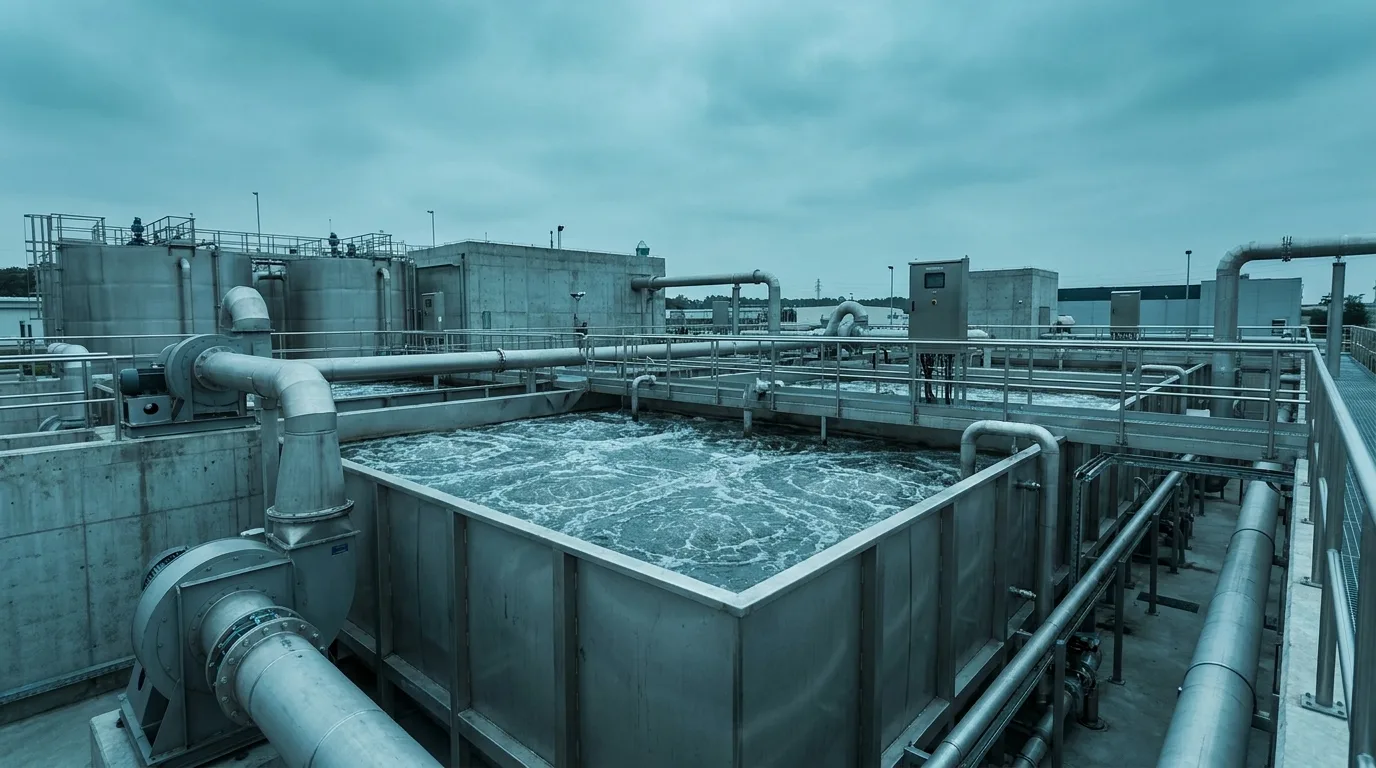
At a wastewater works, most of the energy bill is not pumping or process, it is aeration, blowing air into the biology that does the treating. That is also where the biggest, fastest savings sit, and often without new plant.

Where does the energy actually go?

In a biological wastewater works, aeration is the single largest energy consumer, accounting for somewhere between 45 and 75% of the plant's total energy use. The blowers run more or less continuously to keep enough dissolved oxygen in the tanks for the microorganisms that break down the load.

That makes aeration the first place to look, not the last. A pound saved on aeration is worth far more than the same pound chased across smaller loads elsewhere on the site.

Why is aeration so expensive?

Two reasons. First, transferring oxygen from air into water is inherently inefficient, so a lot of energy goes into bubbles that never deliver their oxygen to the biology. Second, plants commonly over-aerate to stay safe, running more air than the load actually needs because the cost of an upset feels higher than the cost of the electricity.

Against a backdrop of high energy prices and operational net-zero targets, that combination has turned aeration from a background cost into a board-level one.

How much can be cut, and how?

There are two levers. The first is control: matching the air supplied to the oxygen actually required, in real time. Independent evidence puts the saving from control optimisation at around 25 to 40%. The second is the biology itself: if the treatment process works more efficiently, the same load can be treated with less air.

On a real, full-scale site this adds up. A municipal works serving a population of 110,000 cut the energy needed to treat its load by 34%, measured by an independent consultancy, while improving nutrient removal, and it did so with no new infrastructure. That figure comes from a four-week, benchmark-adjusted trial, and a longer continuous trial is the right way to confirm it at steady state, but the direction is clear: the energy is in the aeration, and the aeration can be cut.

Can you cut energy without new capital plant?

Often, yes. The conventional response to an energy or capacity problem is a capital civil build, more tanks, more blowers, more concrete. But a large share of the opportunity is in running the assets already in the ground better, relieving load biologically and matching air to demand, rather than expanding the works.

For an operator weighing a multi-year capital programme against an energy bill that rises every year, that is the more attractive starting point: cut the largest cost first, on the plant you already run, and keep the capital for where it is genuinely needed.

Questions answered

Frequently asked

What uses the most energy at a wastewater works?

Aeration. Blowing air into the biological treatment stage accounts for roughly 45 to 75% of a biological plant's total energy use, making it the largest single consumer and the first place to look for savings.

How much aeration energy can realistically be cut?

Independent evidence puts control-optimisation savings at around 25 to 40%. On one full-scale 110,000-population works, the energy to treat the load fell by 34%, measured by an independent consultancy, with no new infrastructure.

Do you need new capital plant to cut the energy?

Often not. A large share of the saving comes from running the existing assets better, matching air to demand and relieving load biologically, rather than building more tanks and blowers.

Speak to the Team

Paying too much to aerate?

Tell us about your works and your energy bill. We will show you where the opportunity sits, proven at full scale, before you commit.

Start the conversation